The Next AI Advantage Isn't a Better Model — It's Context You Own
As models converge, the fragile part of your AI workflow isn't the model — it's the scattered, rented context behind it. Why owned, cross-tool memory is becoming the real moat for knowledge work.
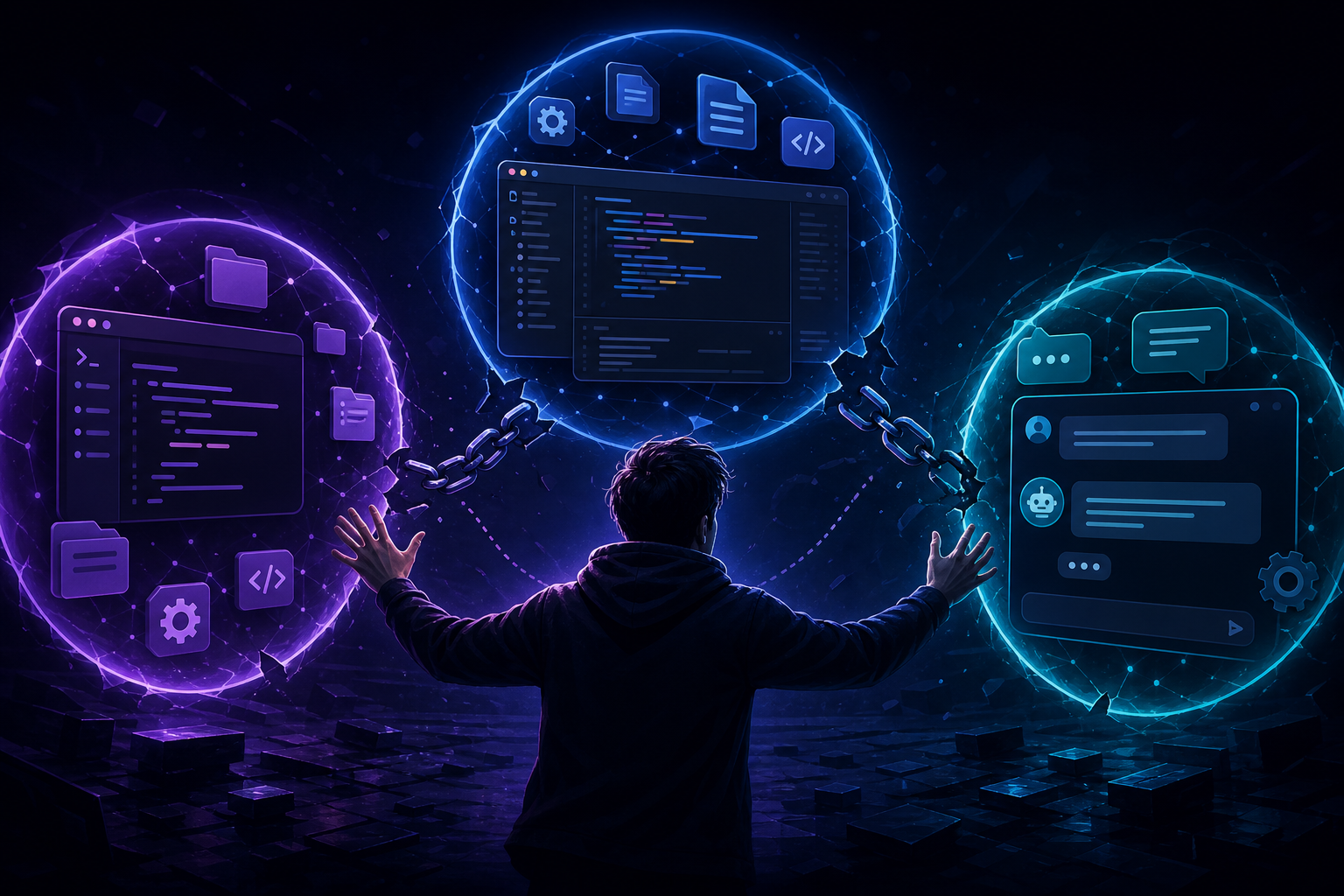
For two years the AI conversation has been about the model: which one reasons best, which has the longest context, which is cheapest this month. That race is flattening — the frontier models are converging on "good enough for most work," and switching between them is increasingly a tab, not a migration. Which surfaces the question that actually matters for knowledge workers: if the model is no longer the differentiator, what is? Increasingly the answer is the context you own — and most people's context is rented, scattered, and fragile.
The fragile part isn't the model — it's everything around it
Watch how knowledge work actually happens today. Your research is in ChatGPT history you can't export cleanly. Your decisions are in a Claude thread you'll never find again. Your notes are split between Notion and Obsidian. Your project's "why" lives in a Slack message from three weeks ago. The model is interchangeable; the trail of context that makes it useful to you is smeared across half a dozen tools, most of which you don't control.
That's the fragility. A policy change, a deprecated feature, a cancelled subscription, or just the friction of finding last month's reasoning — and the context evaporates. You still have the model. You've lost the thing that made it yours.
Rented context is a liability you don't notice until it's gone
Context trapped inside a vendor's product is borrowed, not owned:
- It's subject to their roadmap — features get removed, history gets capped, terms change.
- It doesn't move — you can't easily carry a ChatGPT project's context into Claude, or into your editor, or hand it to a teammate.
- It's not yours to keep — export is an afterthought, and "your data" often means "your data, in our format, while you pay."
The same lesson the self-hosting world learned about apps — own the thing you depend on — is arriving for AI context.
Owned, cross-tool context is the emerging moat
The durable advantage is a layer of memory that you hold, that follows you across tools:
- Local-first — your decisions, prompts, and research live on hardware you control, not in a vendor's session.
- Cross-tool — the same context is reachable whether you're in Claude, ChatGPT, an editor, or your notes, instead of re-explaining yourself in each.
- A decision trail — not just chat logs, but the why behind choices, kept where you can find and reuse it.
This is the thesis behind tools like 1AIVault: treat AI memory as personal infrastructure you own, not a feature you rent inside someone else's app. It's the personal-knowledge version of the portable context argument — context that survives tool changes is worth more than context locked to one model.
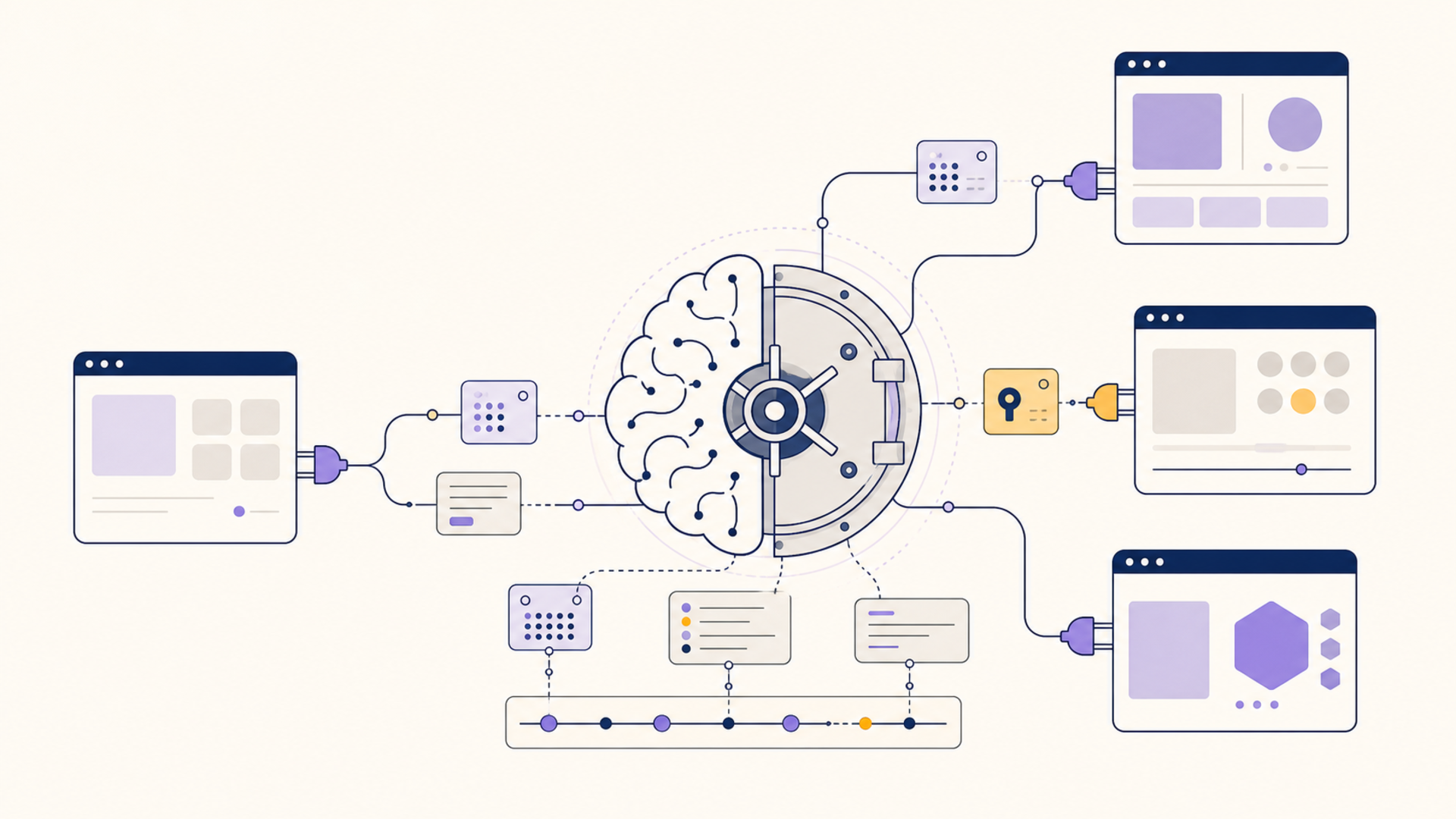 A shared, owned memory across tools — instead of context stranded in whichever app you happened to use that day.
What this means in practice
You don't need to abandon your tools; you need a layer beneath them that's yours:
- Capture decisions and research where you keep them, then bring them into whichever model you're using.
- Treat prompts and project context as durable, portable assets — not throwaway text in a chat box.
- Assume you'll switch models again, and build so that switching costs nothing.
Takeaway
As models converge, "which model" stops being the advantage and "whose context" starts being it. The teams and individuals who own their cross-tool memory — local-first, portable, with the decision trail intact — will out-compound the ones whose hard-won context keeps evaporating inside rented tools. The next AI advantage isn't a smarter model. It's context you actually own.
From across the StoicSoft network
Hand-curated reads on the same topic from sister sites in the StoicSoft family.
 1AIVault5 min read
Local-first AI memory: why privacy, not features, is driving adoption
The cross-client memory tools getting traction on Hacker News share one feature: nothing leaves the device. Users picking these tools aren't optimizing for capability — they're optimizing for control.
Read on 1aivault.com 1AIVault6 min read
Beyond coding: AI memory for writing, research, and the rest of your life
Most AI memory tools focus narrowly on code: file contents, repo structure, recent commits. But the same context-loss problem hits writing, research, and personal projects — and those use cases are larger than coding.
Read on 1aivault.com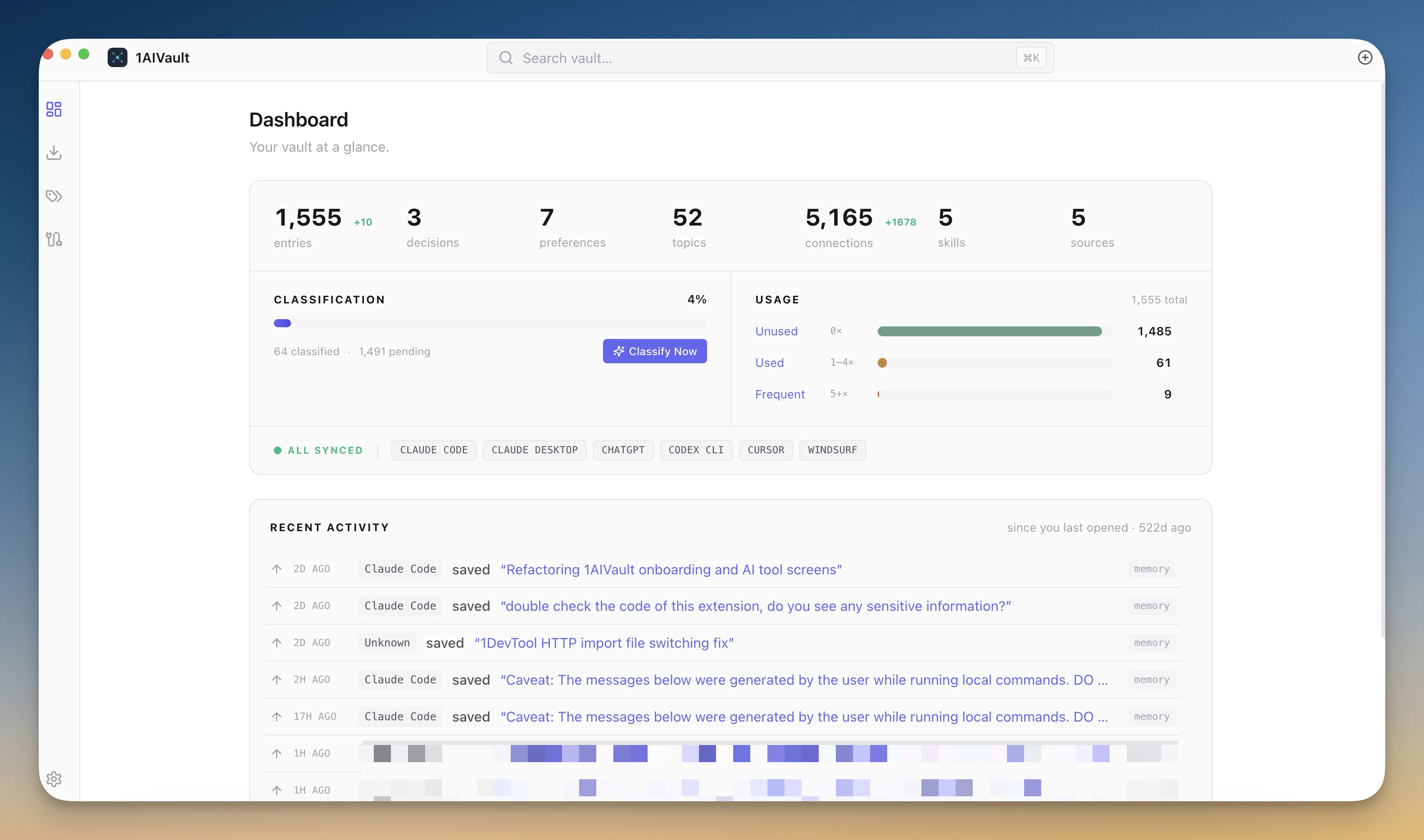 1AIVault6 min read
Stop rebuilding context every time you switch AI tools
Save context once and every AI tool — Claude Desktop, Claude Code, Cursor, Cline, Codex — can read it through a single MCP connection. 1AIVault v1.0.0 ships your portable, local-first AI memory vault.
Read on 1aivault.com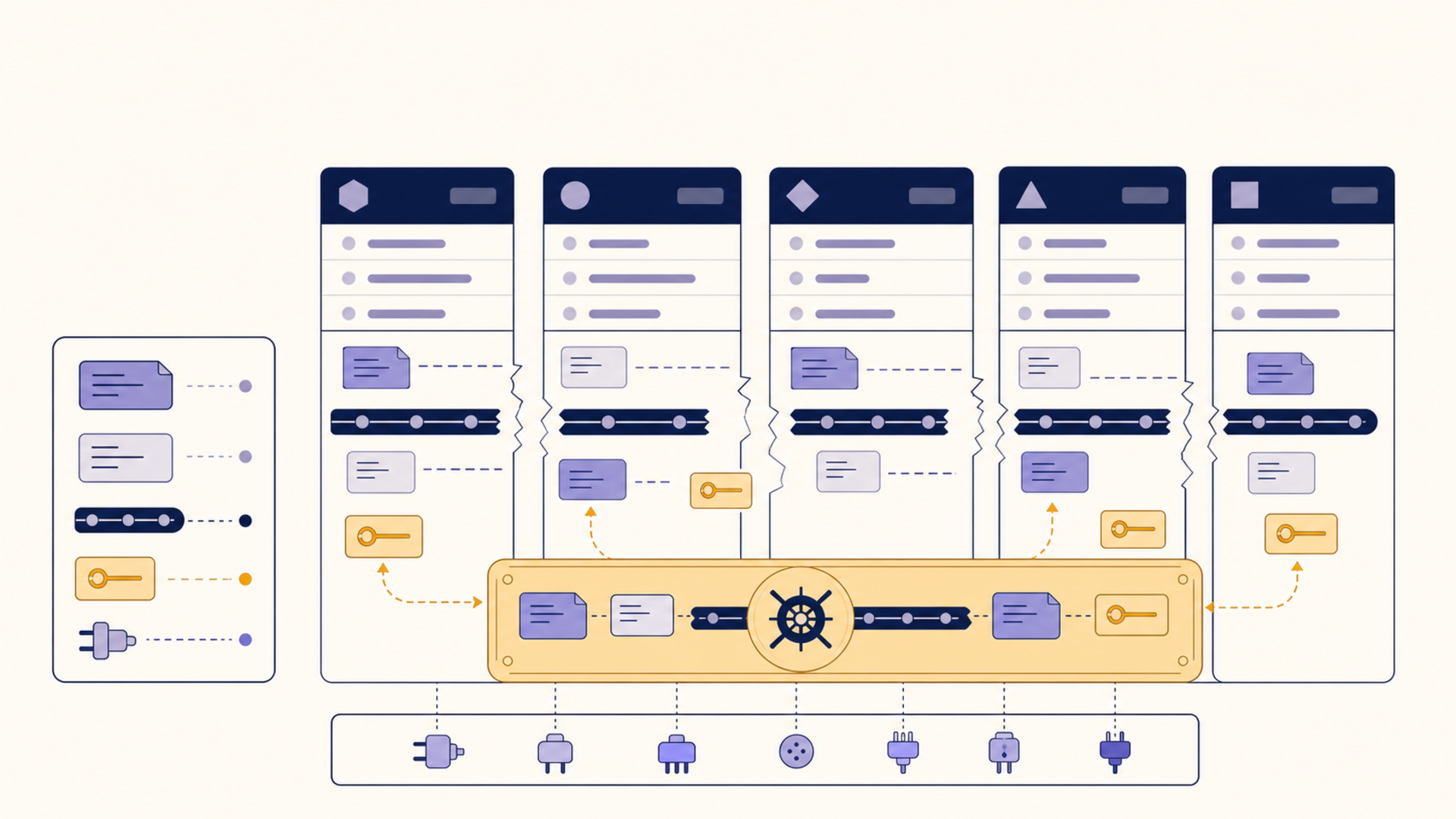 1AIVault8 min read
Power users compare AI coding tools — the real pain is fractured memory between them
Comparison posts focus on which AI coding tool is best. The hidden cost is the constant switching: Cursor today, Claude Code tomorrow, Copilot at the office, with no shared memory between them. A vault closes the gap the comparisons can't.
Read on 1aivault.com