Offline PDF and local utility demand is clustering around privacy, weak hardware, and fragmented desktop chores
This pass surfaced a clear 1FileTool pattern around local processing rather than cloud converters. A PDF user needs a 100 percent offline workflow to OCR and translate high-quality scanned PDFs on weak hardware while preserving formatting. A macOS...
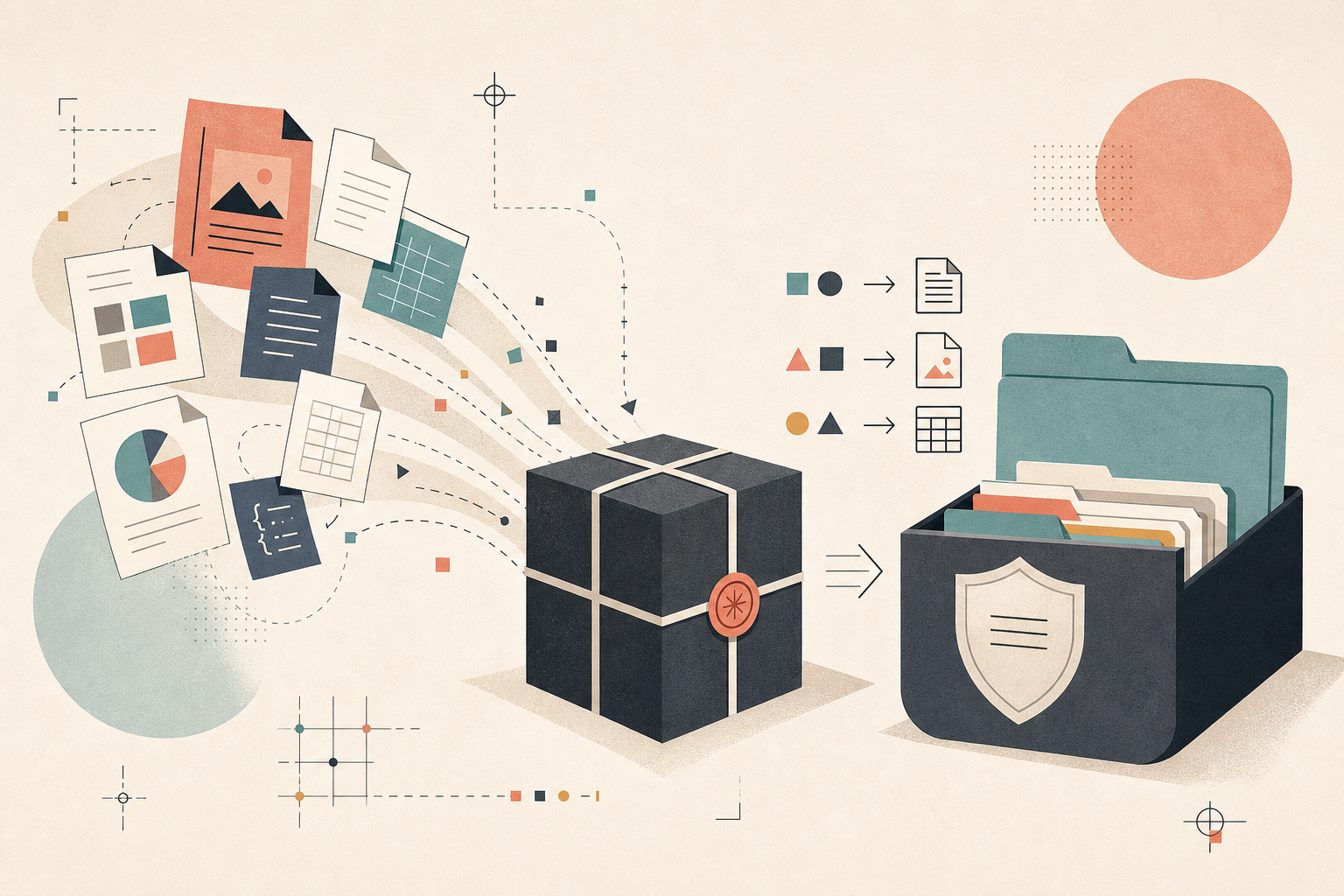
This pass surfaced a clear 1FileTool pattern around local processing rather than cloud converters. A PDF user needs a 100 percent offline workflow to OCR and translate high-quality scanned PDFs on weak hardware while preserving formatting. A macOS utility-builder frames the broader pain as small desktop tasks scattered across a dozen tools: file trays, transcription, compression, screenshots, media controls, quick terminal actions, and notes. Targeted PDF-search rows continue to show users and builders reacting against sketchy upload-based PDF sites. The content angle is simple local/browser file tools for OCR, translation prep, compression, merge/split, and one-off desktop file chores without uploads or heavyweight suites.
The useful pattern here is practical rather than philosophical. People are not asking for another grand productivity suite. They are trying to finish exact file jobs with private, large, messy, or awkward files, and the usual cloud-first answer keeps adding friction.
Real files expose the limits of upload tools
The current signal is concrete: Pattern: Full_Bother_319 needs offline OCR plus translation on weak hardware; iordv frames many small Mac file/utility tasks as fragmented across too many apps; Storytellerchandra and other PDF threads show recurring demand for private local PDF tools. This supports local-first file utilities over upload-based converters.
That is why 1FileTool is relevant to this category. The file is already on the user's machine. The risk, size limit, metadata problem, or batch workflow is local too. Uploading it somewhere else just to run a small operation often creates more work than it removes.
The job is usually small, but the stakes are not
A PDF merge, audio conversion, batch compression pass, OCR job, or archive cleanup may sound minor from the outside. From the user's side, it can involve sensitive contracts, old family media, evidence files, client deliverables, or thousands of assets spread across drives. A fragile web uploader is a poor fit for that kind of work.
Local tools win when they respect the file's real constraints: size, privacy, format quirks, repeated actions, and the need to check results before sending anything onward. 1AIVault is the natural next step when cleaned files become reusable AI context, and 1DevTool applies the same local-control idea to coding-agent work.
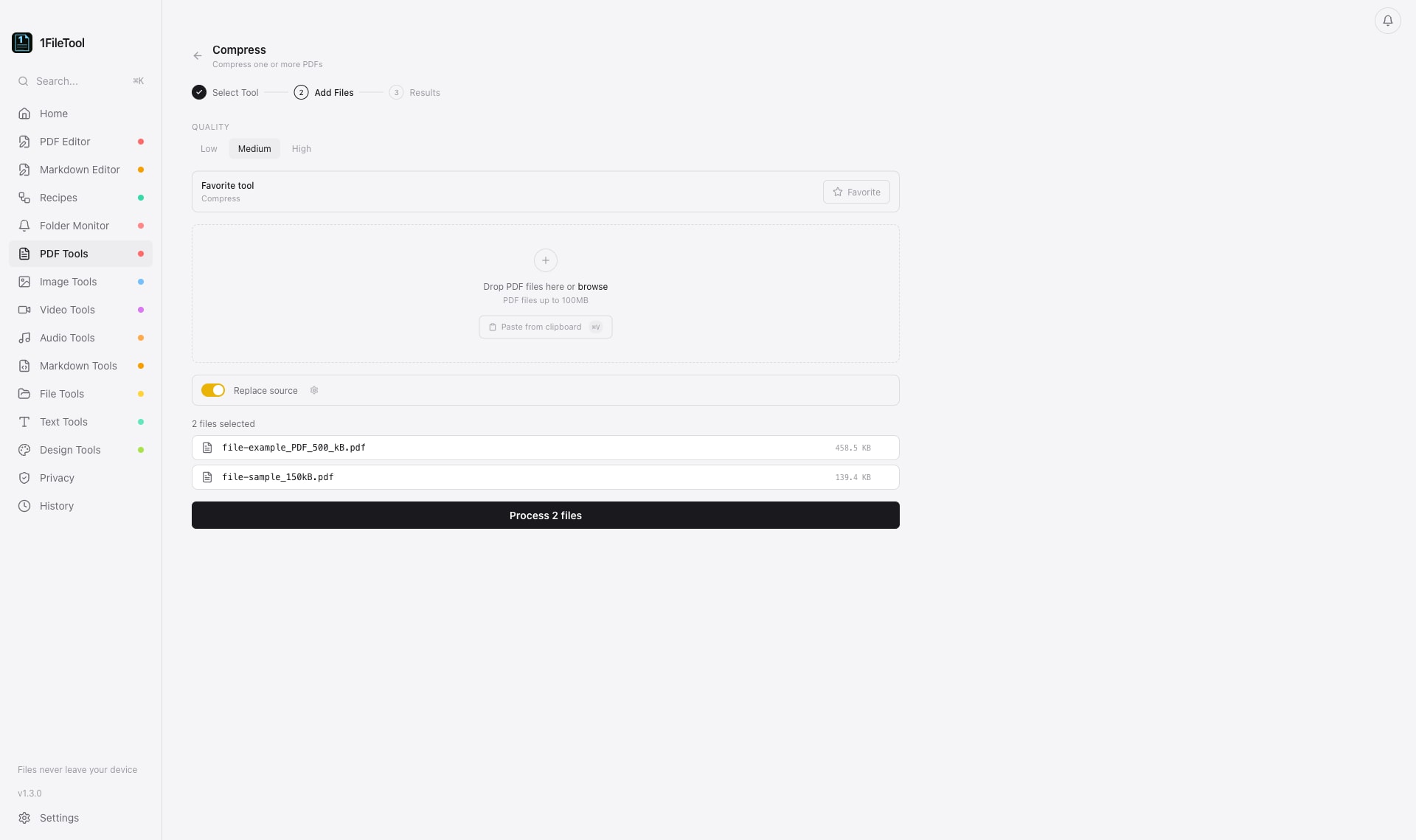 Batch file tools are most useful when the work stays local and the result can be checked before anything leaves the machine.
App sprawl is a symptom
Many file workflows break into a pile of single-purpose apps: one tool for compression, another for conversion, another for OCR, another for renaming, another for staging, and a web service when the local tool fails. That sprawl is not just annoying. It makes the workflow harder to repeat and harder to trust.
A better local file workbench does not need to hide every detail. It needs to make common jobs easy to run, keep files on disk, show what changed, and let the user chain small operations without turning the task into a SaaS account decision.
The StoicSoft angle
This row supports content around local file tools: practical utilities for files that are too private, too large, too repetitive, or too specific for generic web tools. The common thread is control. The user should be able to run the operation where the file lives, inspect the output, and keep the original workflow intact.
That matters for individuals with personal archives, freelancers preparing client files, teams cleaning documents, and anyone handling media that should not become someone else's upload queue. It also matters for repeatability. A task done once by hand becomes expensive when it has to be done every week across new folders.
What this row should turn into
The post-worthy idea is that serious file work often starts with boring operations. Convert this. Compress that. Rename the set. Extract the pages. Preserve the metadata. Keep the original. Those operations deserve local, reliable tools because they sit at the boundary between private material and finished work.
The best file utility is not the one with the loudest feature list. It is the one that lets the user finish the job without moving the file somewhere it did not need to go.
This is why local file tooling keeps resurfacing even as browser utilities multiply. The user does not only need a conversion result. They need confidence that the original stayed private, the output can be checked, and the same operation can be repeated without rebuilding the workflow from scratch each time.
Source signal: https://www.reddit.com/r/pdf/comments/1un7r26/