Why AI Coding Power Users Are Splitting Their Tools — and Paying for It in Cognitive Debt
Usage limits push you to Cursor, then Claude Code, then Codex. Each switch fragments your context and adds cognitive debt. The cost of AI coding isn't just tokens — it's the overhead of juggling tools.
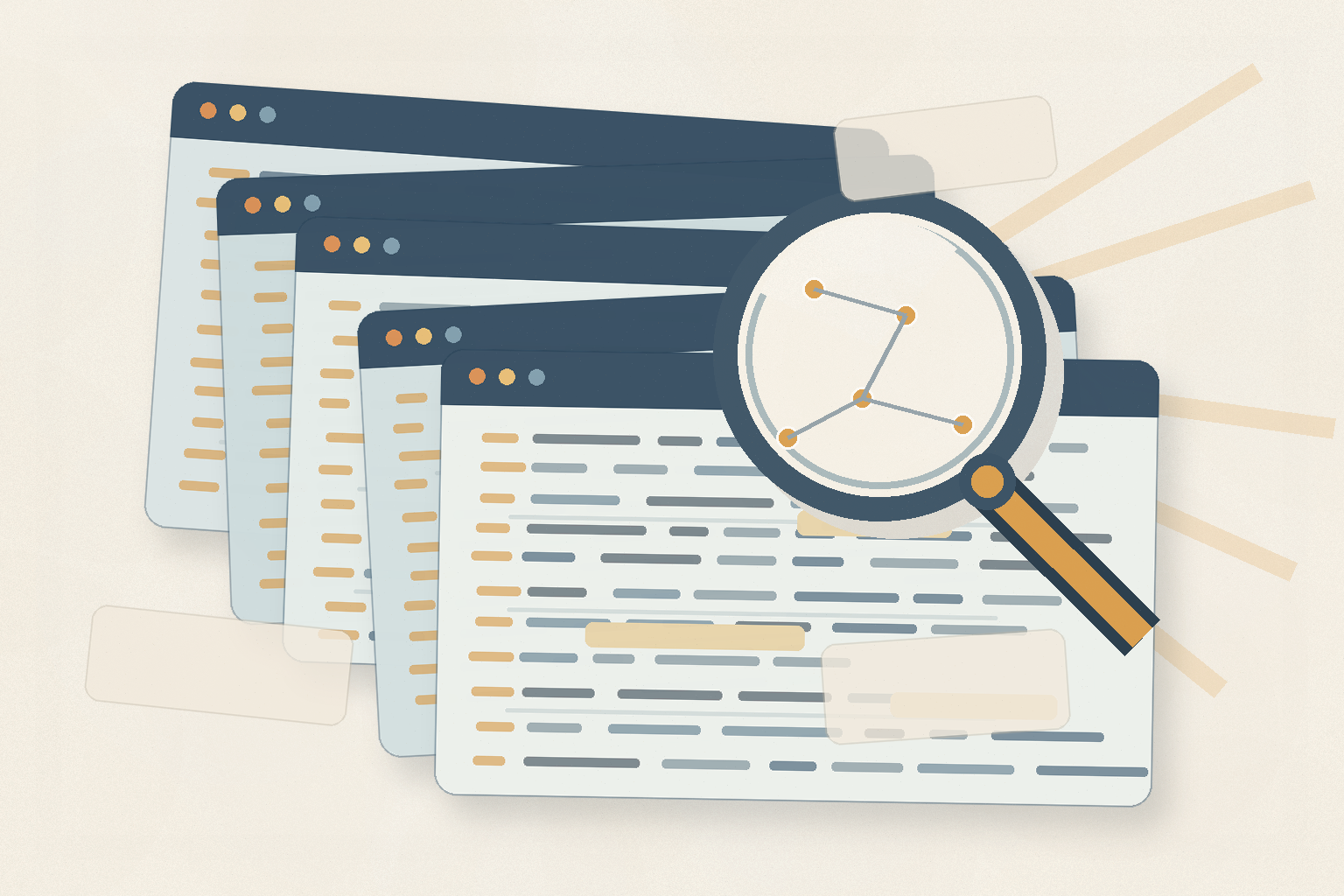
Talk to AI coding power users right now and you hear the same story from different angles: they hit Cursor's limits, so they keep Claude Code open too; the pay-as-you-go bill spikes, so they route some work to Codex; the agent ignores the project instructions for the third time, so they babysit it manually. Each workaround is rational on its own. Together they add up to a workflow that's fragmented across tools — and the real cost isn't the token bill. It's the cognitive debt of holding context across all of them.
Tool-splitting is a response to real pressure
Nobody splits tools for fun. They're pushed:
- Usage limits — hit a plan's ceiling mid-task and you reach for a second tool to keep going.
- Pay-as-you-go shocks — a surprise bill nudges you to spread work across cheaper and pricier tools by task.
- Agentic cognitive debt — agents that take big autonomous actions leave you reconstructing what they did and why.
- Ignored instructions — project rules that don't reliably stick mean re-explaining context in every tool.
Each is a sane local decision. The sum is a developer running three assistants and being the only thing holding the context together.
The hidden cost is context overhead, not tokens
Token cost is visible on a bill. The expensive part is invisible: every switch between tools is a context reload in your head. You re-explain the task, re-establish what the agent already tried, re-find the terminal output that mattered, re-derive the decision you made an hour ago in a different window. That's cognitive debt — borrowed speed now, paid back in confusion later. It's the same dynamic as the RAM tax of heavy AI IDEs, but paid in attention instead of memory.
What actually reduces the debt
The fix isn't "pick one tool and never switch" — limits and pricing make that unrealistic. It's reducing the cost of switching by keeping the context outside any single tool:
- Fewer context switches — consolidate where the work happens, so moving between models doesn't mean rebuilding state each time.
- Visible agent work — when you can see what an agent ran and decided, you don't pay the debt of reconstructing it. A searchable record of commands and actions beats scrolling a chat transcript.
Making agent and terminal work visible and searchable — so switching tools doesn't mean losing the trail of what already happened.
- Portable instructions and context — project rules and history that follow you between Claude, Codex, and the shell, instead of being re-typed per tool. This is the single-handoff-layer idea: one place the context lives, many tools that read it.
This is the design goal behind a workspace tool like 1DevTool — not another agent, but a layer that keeps the terminal, command history, and project context visible and portable across whichever AI tools you're forced to juggle.
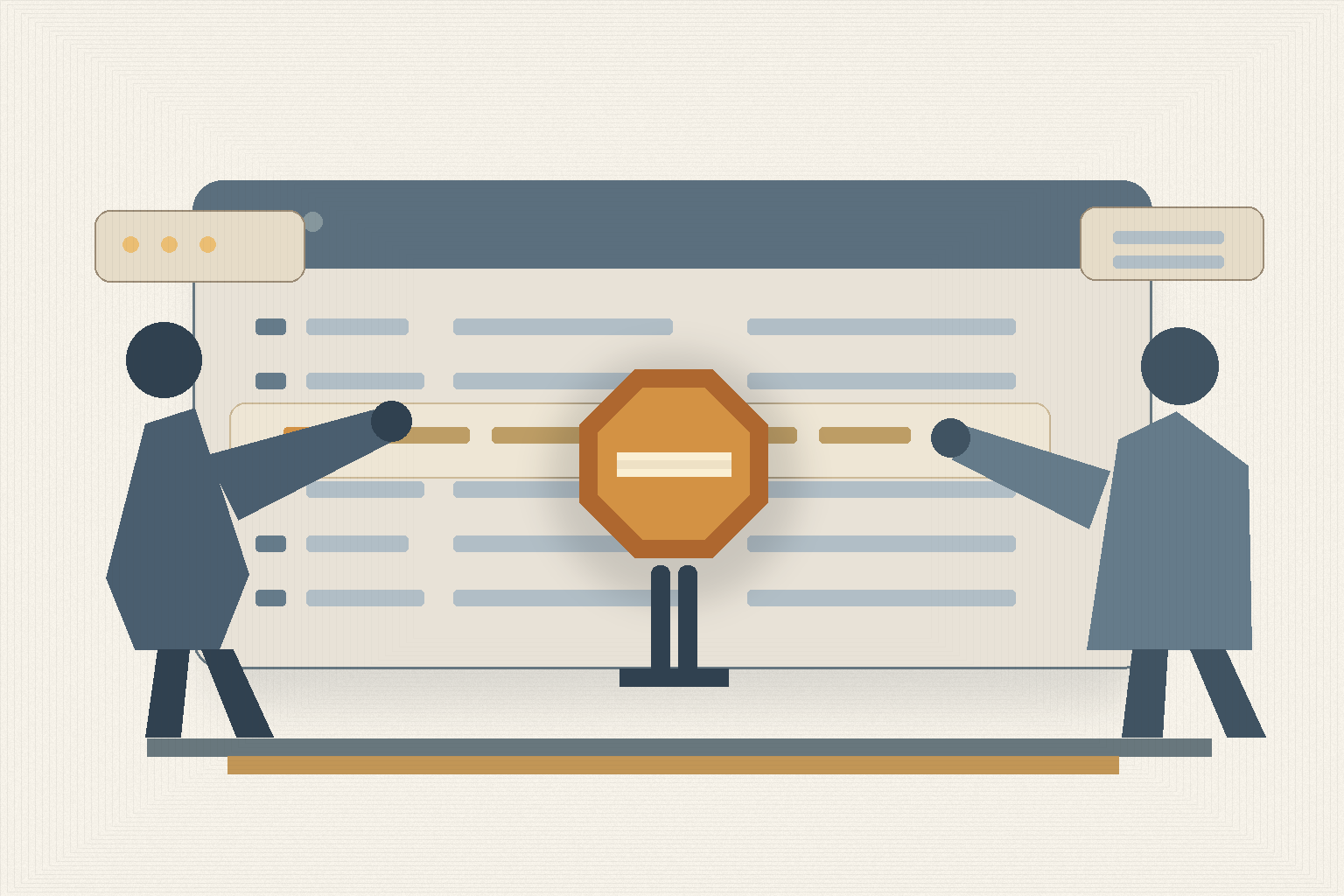 When agent actions are reviewable and the context is shared, handing work between tools — or to a teammate — stops costing a full re-explanation.
The trade-off worth making
Splitting tools to dodge limits is fine. Splitting your context across those tools is the mistake. Keep one durable, visible, portable layer of project state and history, and the tool-juggling becomes a billing optimization instead of a cognitive tax.
Takeaway
AI coding power users aren't wrong to spread work across Cursor, Claude Code, and Codex — limits and pricing make it inevitable. But the cost that hurts isn't tokens; it's the cognitive debt of reloading context every time you switch. Reduce that by keeping context out of any single tool: fewer switches, visible agent work, portable instructions. Pay the bill, not the debt.
From across the StoicSoft network
Hand-curated reads on the same topic from sister sites in the StoicSoft family.
 1AIVault6 min read
Context fragmentation: why your AI coding setup doesn't survive tool switching
You rebuilt your prompt library when you moved from Cursor to Claude Code. You'll rebuild it again for the next tool. The problem isn't the tools — it's that context has no portable format.
Read on 1aivault.com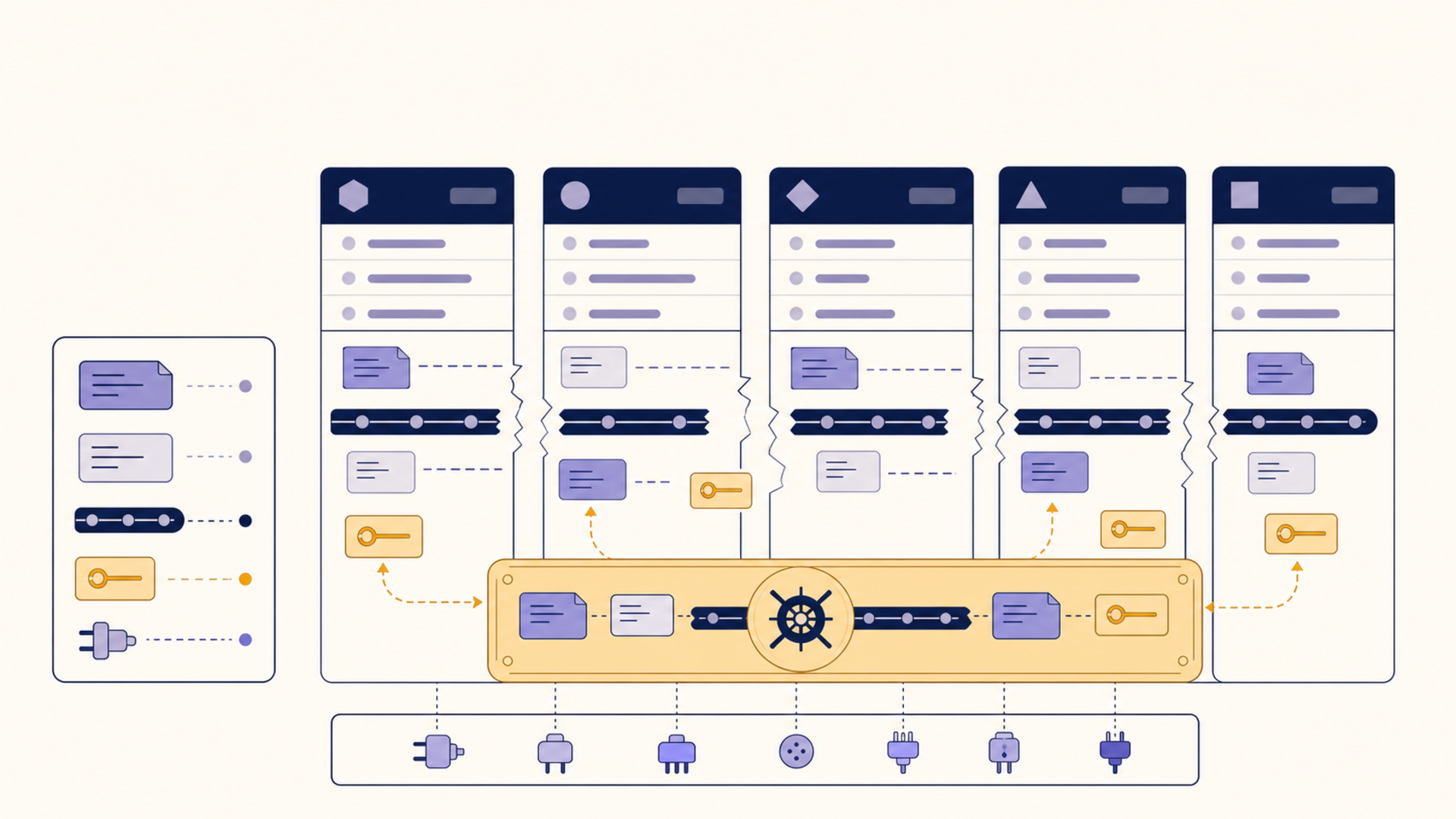 1AIVault8 min read
Power users compare AI coding tools — the real pain is fractured memory between them
Comparison posts focus on which AI coding tool is best. The hidden cost is the constant switching: Cursor today, Claude Code tomorrow, Copilot at the office, with no shared memory between them. A vault closes the gap the comparisons can't.
Read on 1aivault.com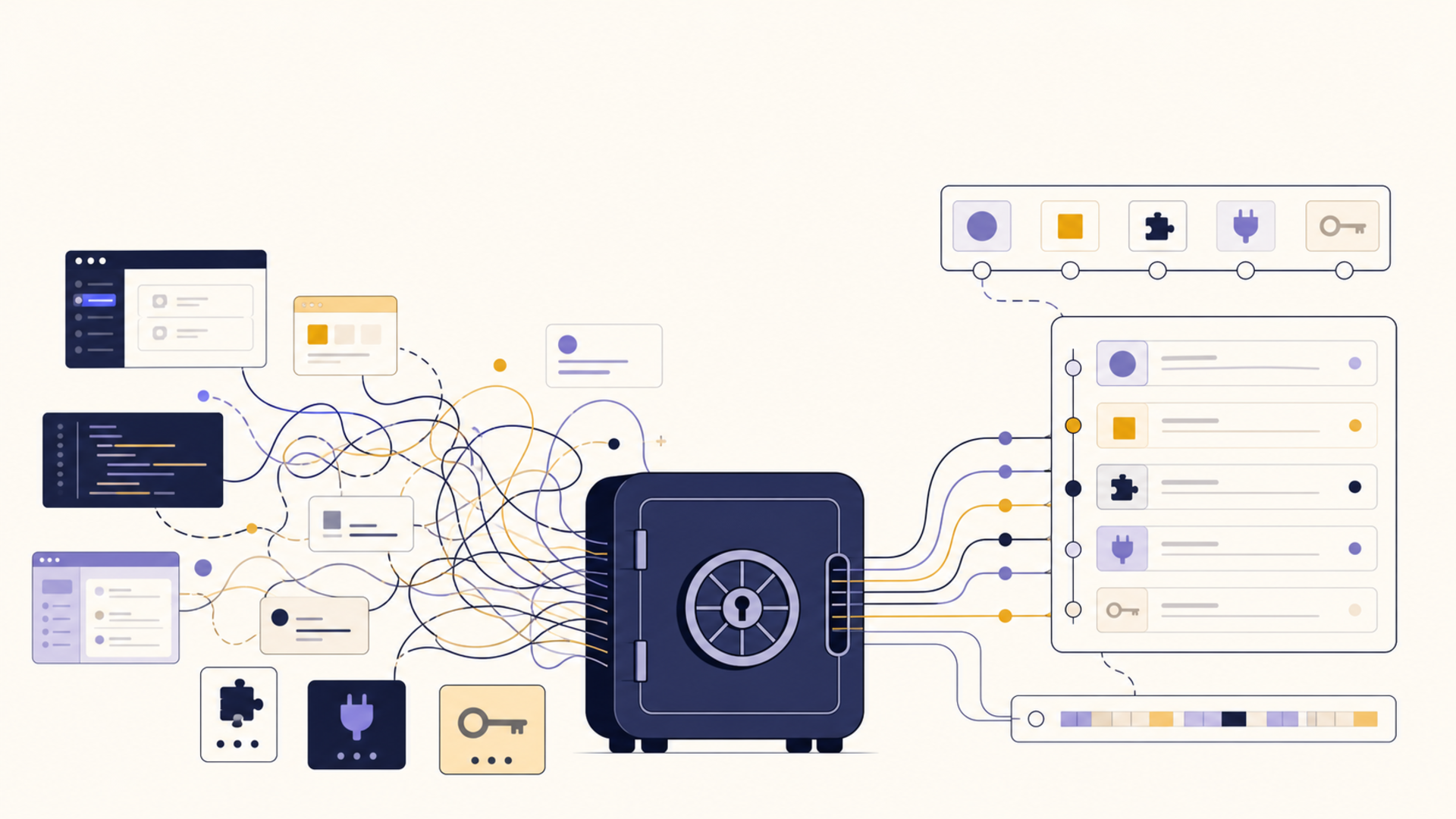 1AIVault8 min read
The context-switching trap maps directly onto AI workspace fragmentation
Productivity writing about context switching keeps describing the same shape as the AI tools problem: multiple apps, multiple histories, no single continuity record. The vault is the unification move both worlds are reaching for.
Read on 1aivault.com