AI Coding Needs a Control Plane Before Agents Run the Work
AI coding teams are moving past prompt tricks. The next useful layer is a control plane for context, budgets, gates, and proof.
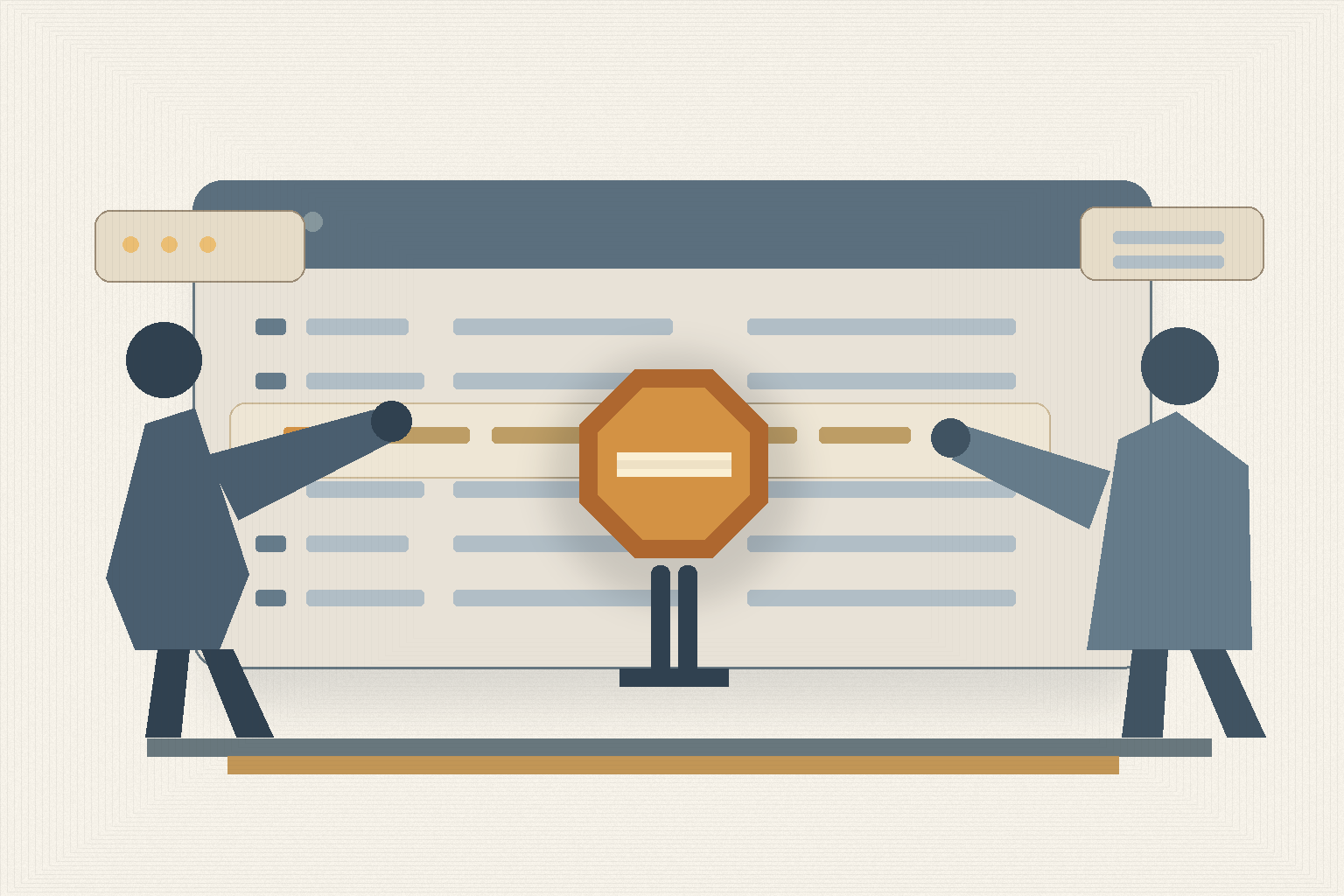
AI coding has stopped being a question of whether the model can write a component or repair a failing test. The sharper problem is operational: where does the agent run, what context is it allowed to spend, what evidence does it leave, and who decides when a change is safe enough to land?
That is the pattern underneath recent developer signals about Claude Code, Cursor, Codex, MCP tools, subagents, quotas, and terminal workflows. The complaints look separate on the surface. One developer loses a weekly limit in a short burst. Another watches stale project rules send an agent down the wrong path. Another tries to coordinate several agent panes and realizes the work has become invisible again. They are all describing the same missing layer.
The prompt is no longer the workflow
A prompt can tell an agent what to attempt. It cannot, by itself, make the surrounding work observable. Once an agent can read files, call tools, spawn subtasks, touch external APIs, or hold a long terminal session, the prompt becomes one input among many.
Teams need a place to see the run state before the final diff. Which repo is active? Which branch? Which files were inspected? Which commands were tried? Which model is burning the budget? Which tool call crossed from analysis into action? A chat transcript is too loose for that job, and a terminal scrollback is too narrow.
This is why the useful abstraction is an AI coding control plane. 1DevTool is aimed at that surface: the repo context, agent sessions, logs, review gates, and terminal state that sit around Claude Code, Codex, Cursor, OpenCode, and the shell.
Agent work becomes safer when the approval trail is part of the workspace, not a memory exercise after the fact.
Context has to stay alive without becoming folklore
Static instruction files are useful until they silently rot. CLAUDE.md, AGENTS.md, scratch docs, and internal skill piles can make a team feel disciplined while feeding agents outdated assumptions. The danger is not that the model ignores context. The danger is that it obeys context nobody has validated recently.
A better workflow treats context as something with freshness, ownership, and scope. Repo rules should be visible. Project boundaries should be explicit. Old decisions should be easy to inspect and retire. A developer should be able to tell whether the agent is operating from the current task packet or from a fossilized setup note.
That overlaps with a second StoicSoft product boundary: durable project memory. When long-running work needs reusable decisions, source links, and handoff context, 1AIVault carries the owned-memory side of the problem. The coding control plane still needs its own live operational surface, but it should not pretend memory is only a chat feature.
Budgets need to be visible before they are spent
Cost surprises are now a workflow smell. Developers are reporting quota spikes, unexpected token burn, and model-plan confusion because agentic coding has made the unit of work less obvious. A single instruction can fan out through repo search, subagents, retries, screenshots, logs, and tool calls.
The answer is not to shame developers into smaller prompts. The answer is to make budget part of the run contract. Before a task starts, the operator should know the model route, the context budget, whether subagents are allowed, and what requires approval. During the task, spend should be visible enough to stop a bad loop before it becomes the whole afternoon.
This same operating discipline matters outside code. Marketing automations that touch publishing calendars, SEO data, or ad accounts also need reviewable runs and owned workflows; that is the reason 1MarketingTool keeps its marketing system close to the operator instead of hiding it behind a black-box suite.
Gates are more valuable than bigger context windows
More context helps until it becomes permission to be vague. A large context window can still hide a weak task boundary, stale rule, missing test, or unsafe external action. Teams need gates at the moments where intent changes shape: before shell commands, before file writes, before network calls, before a branch merge, before release sign-off.
Good gates do not turn every operation into bureaucracy. They make the dangerous transitions legible. A dry run, a diff preview, a command allowlist, a human approval step, and a test record all answer the same question: what proof exists before the agent is trusted with the next level of authority?
The important detail is that proof must be captured while the work happens. Screenshots after the fact, vague commit messages, and copied chat excerpts do not scale to multiple agents or busy teams.
Multi-agent work needs an operating board
The more serious the agent setup, the less it looks like a single chat. Developers are already running Claude Code, Codex, Gemini, OpenCode, Fable-style tools, and shell sessions side by side. Without an operating board, parallel work becomes terminal sprawl with better autocomplete.
An operating board should show what each agent owns, what it touched, where it is blocked, what it spent, and what evidence it produced. It should make handoffs small enough to review and recover. It should keep the developer in control without forcing them to babysit every token.
The next AI coding advantage is not a cleverer prompt library. It is the boring control layer that lets agents do real work without turning the repo into an unreviewable machine.